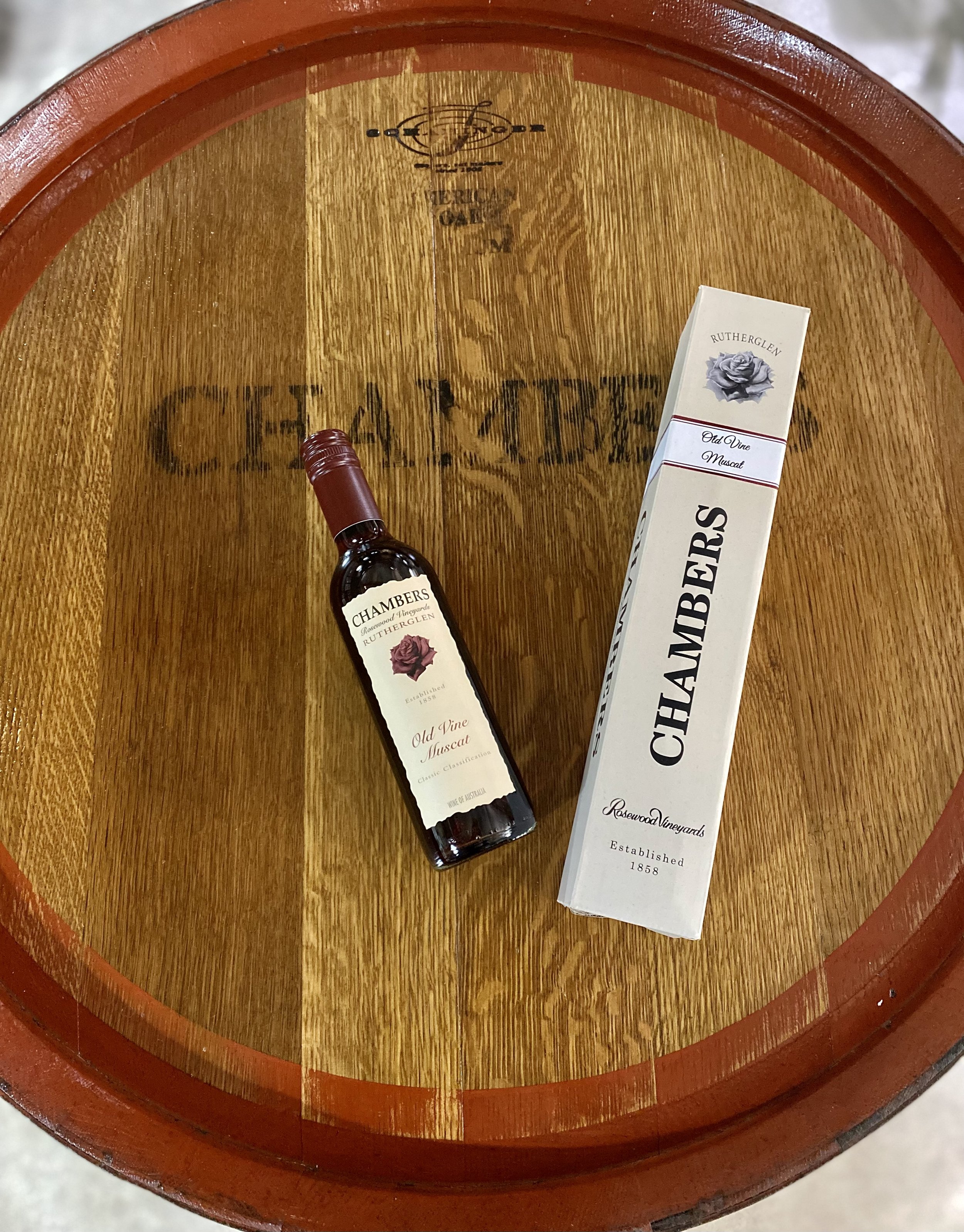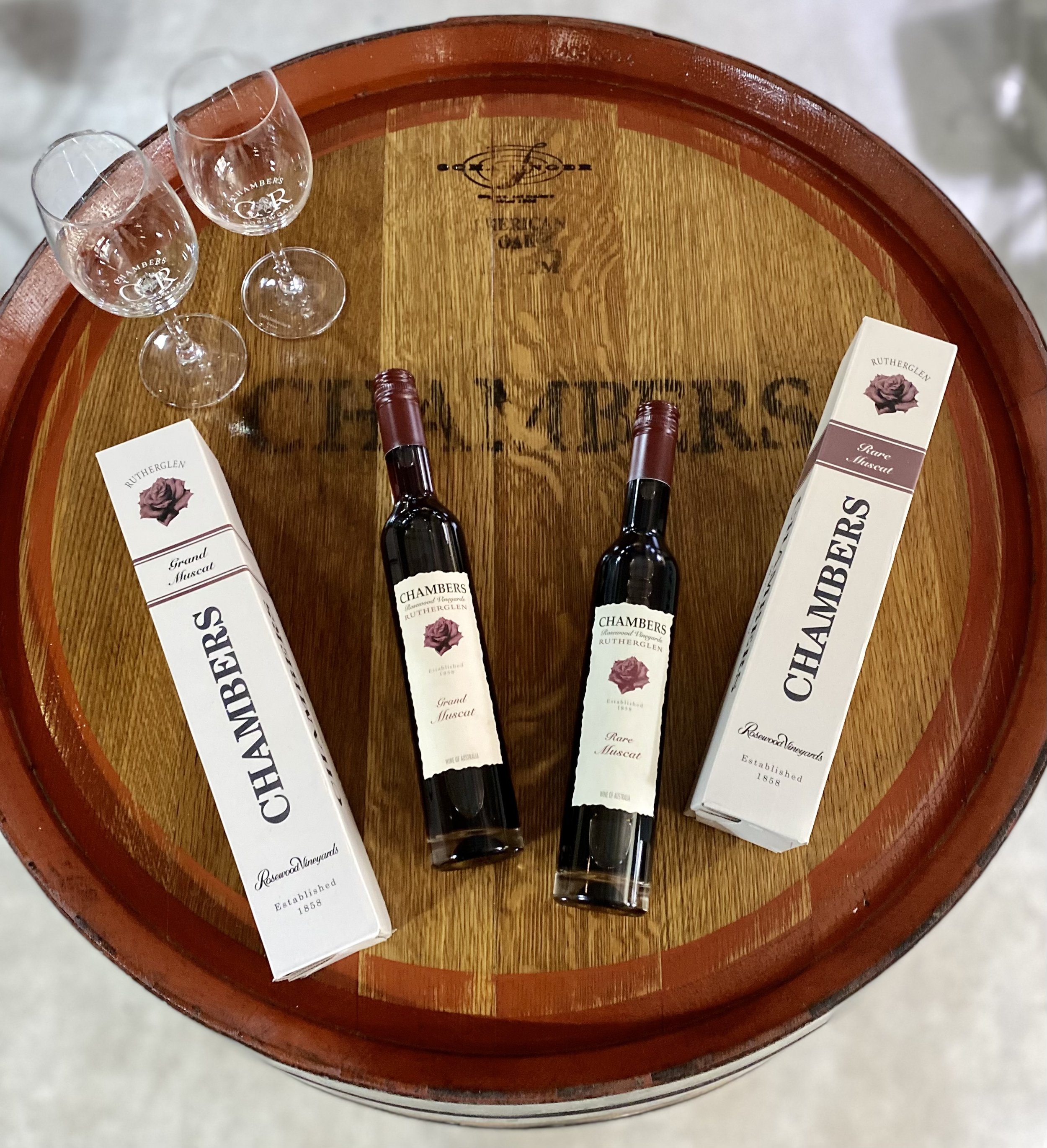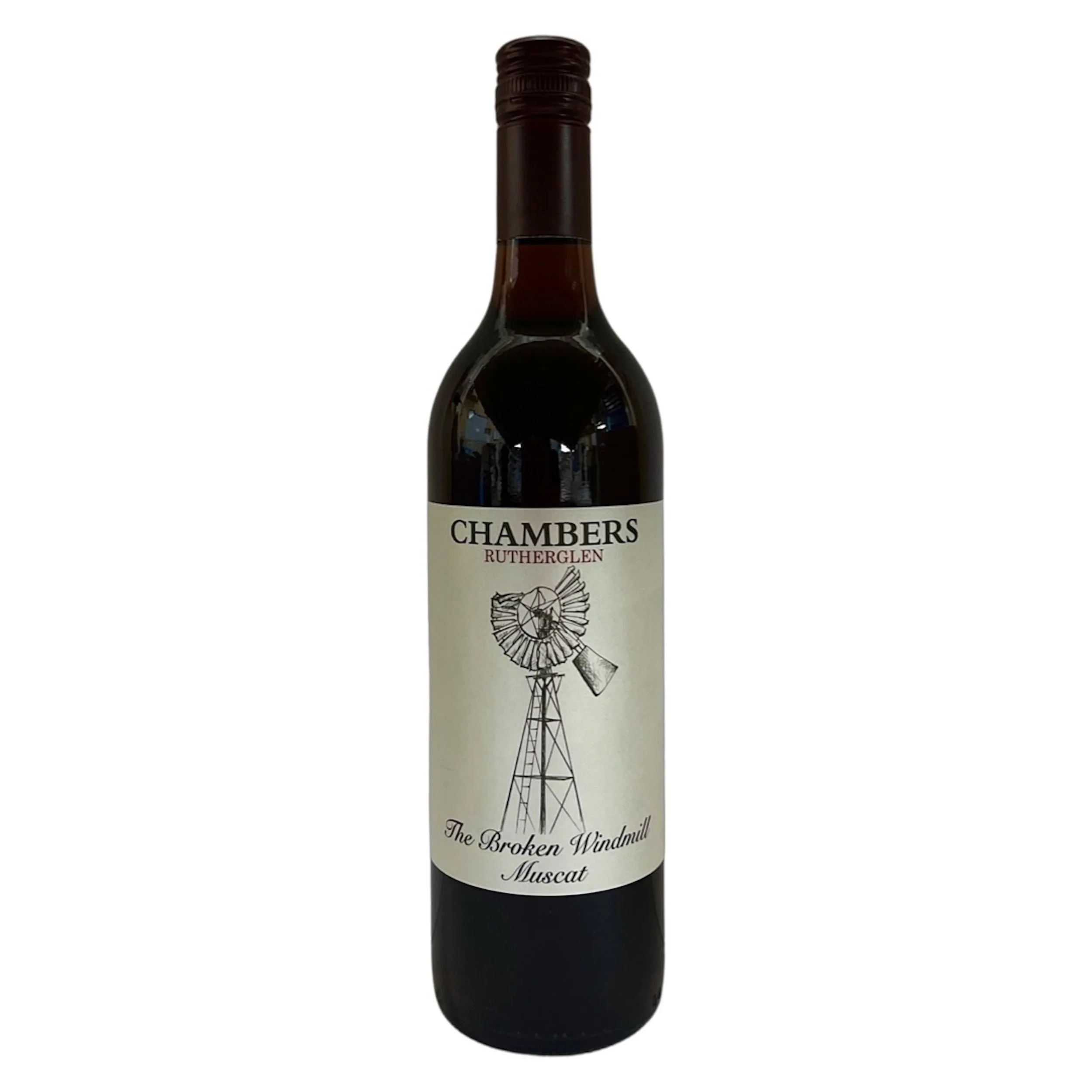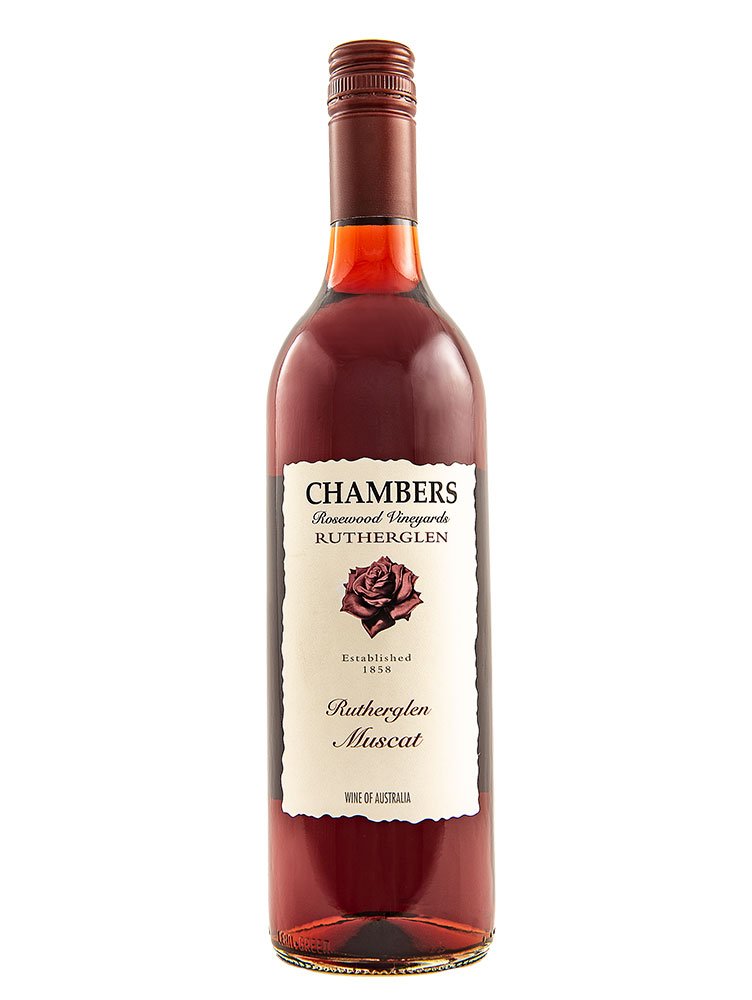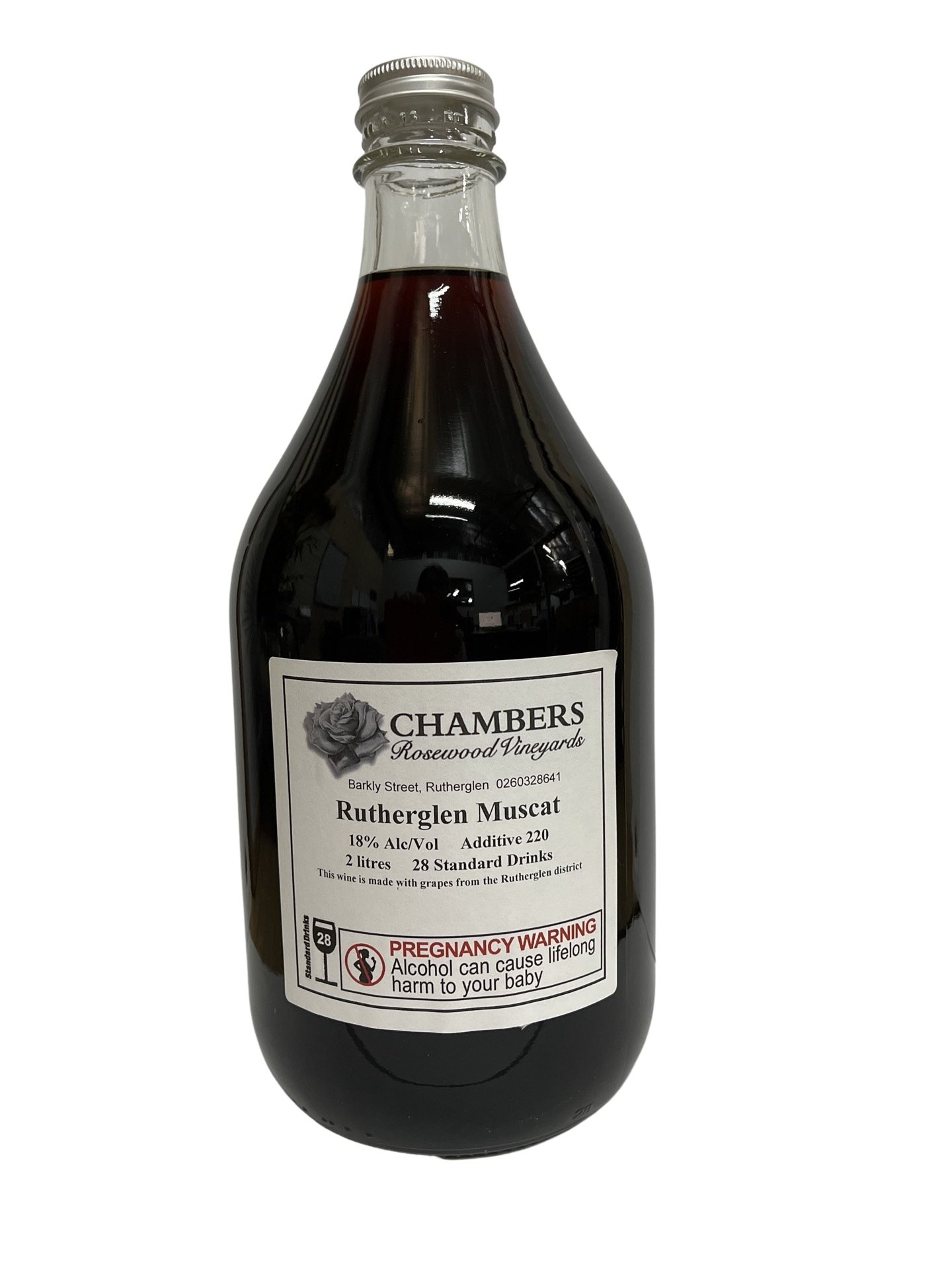
 Image 1 of 8
 Image 2 of 8
 Image 3 of 8
 Image 4 of 8
 Image 5 of 8
 Image 6 of 8
 Image 7 of 8
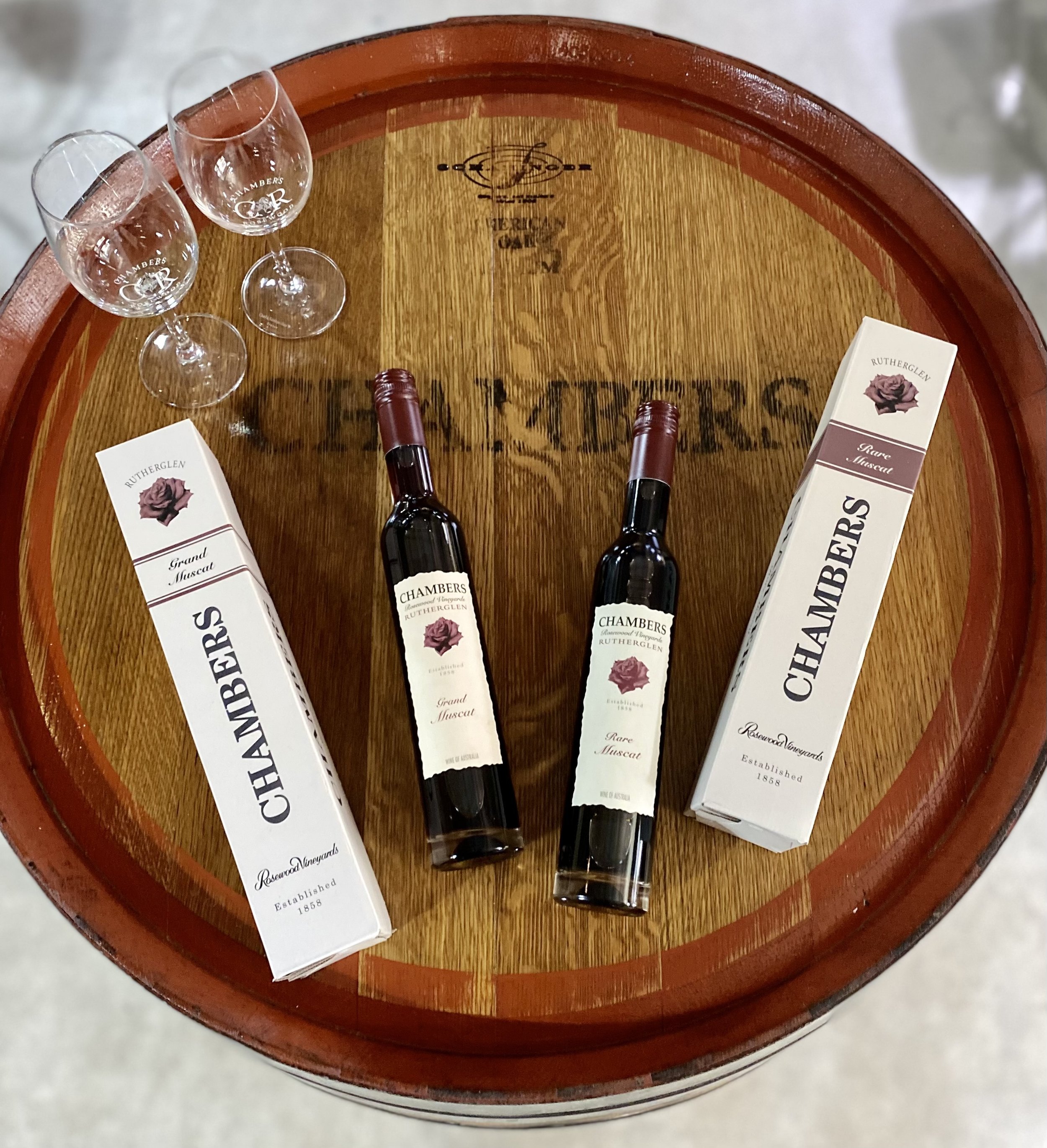 Image 8 of 8
The Real Review
Fortified Wine of the Year 98/100 Deep, dark, glass staining colour, very unctuous in the glass and the bouquet displaying raisiny muscat fruit among the very mature, long-aged characters of dried fig, raisin, honey and molasses aromas, the sweetness massive on the tongue and only just stops short of cloying. Luscious, super-concentrated, super-sweet old muscat of extraordinary power and persistence 03 Feb 2025 REAL REVIEW - Huon Hooke
James Suckling
“Picked late and muted with spirit early, this maker is among the top three leading lights in Rutherglen and with that, among the greatest producers of complex, unforgettable fortified wines in the world. Riveting aromas of mulled date, molasses, clove, star anise and hoisin, placated with the warming hearth of roasted chestnuts and a suggestion, rather than a tilt, of rancio blue cheese. Brilliant gear, ready to drink into eternity. It will never die. Screw cap.” JAMES SUCKLING Ned Goodwin MW 2023
Halliday Wine Companion
"Here the wine emerges as a perfect example of muscat, supple and smooth in one moment, wildly exotic and energetic the next, playing tricks on the palate - just an excuse to have another sip, of course, the length of the wine is prodigious, as is its balance, but the orchestra of Christmas pudding, Turkish delight and high-toned spices plays on." James Halliday
-
Alcohol: 17.7 % Glucose & Fructos 315.7g/L pH: 3.44 TA: 6.3 g/ L
-
Muscat is made from the variety Muscat à Petits Grains, which can range in colour from a green (white) grape through to black. The colour favoured for muscat production in Rutherglen is reddish-brown and is often referred to as Muscat à Petits Grains Rouge.
Excluding the period from 2015 to 2022 fruit is hand picked. Muscat is harvested at higher Baumé's (16º Bé plus preferred). The grapes are then de-stemmed with the resultant must and recovered raisins are placed into tank. Depending upon the disease status the must is either inoculated with yeast, or a wild ferment allowed. Only a partial fermentation of the juice is undertaken (usually 2º to 3º Bé depending upon initial fruit ripeness). The fermentation adds colour and complexity to the wine.
There is an increase in Baumé in the initial 24 to 72 hours, due to liberation of sugar from raisin
rehydration, thus enabling a longer fermentation.
Once desired amount of sugar has been fermented, the must is placed into the press for juice extraction. Fermenting juice is initially fortified to 16% alcohol to arrest the fermentation with neutral grape spirit (~ 96% alcohol). Neutral spirit is chosen to enable the fruit expression of the variety. The resultant wine is then transferred to tank for settling prior to crossflow filtration. After which the alcohol is adjusted to 18% and transferred into old, large casks for aging. The cask volume may vary from 900 litres up to 5000 litres. Individual vintages and vineyards are kept as separate wines until blending. Must – contains juice, skins and seeds.Only wines of very good quality to excellent are selected for the Grand Muscat. Age is not considered a determinant of quality. The Grand Muscat is produced using a modified solera (see below) established in the 1930’s by William Henry Chambers (Will) 3rd generation. The Grand Muscat has had extensive work put into it over the last 20 years to help maintain quality and consistency.
The wine is bottled on demand to ensure the best product possible.